
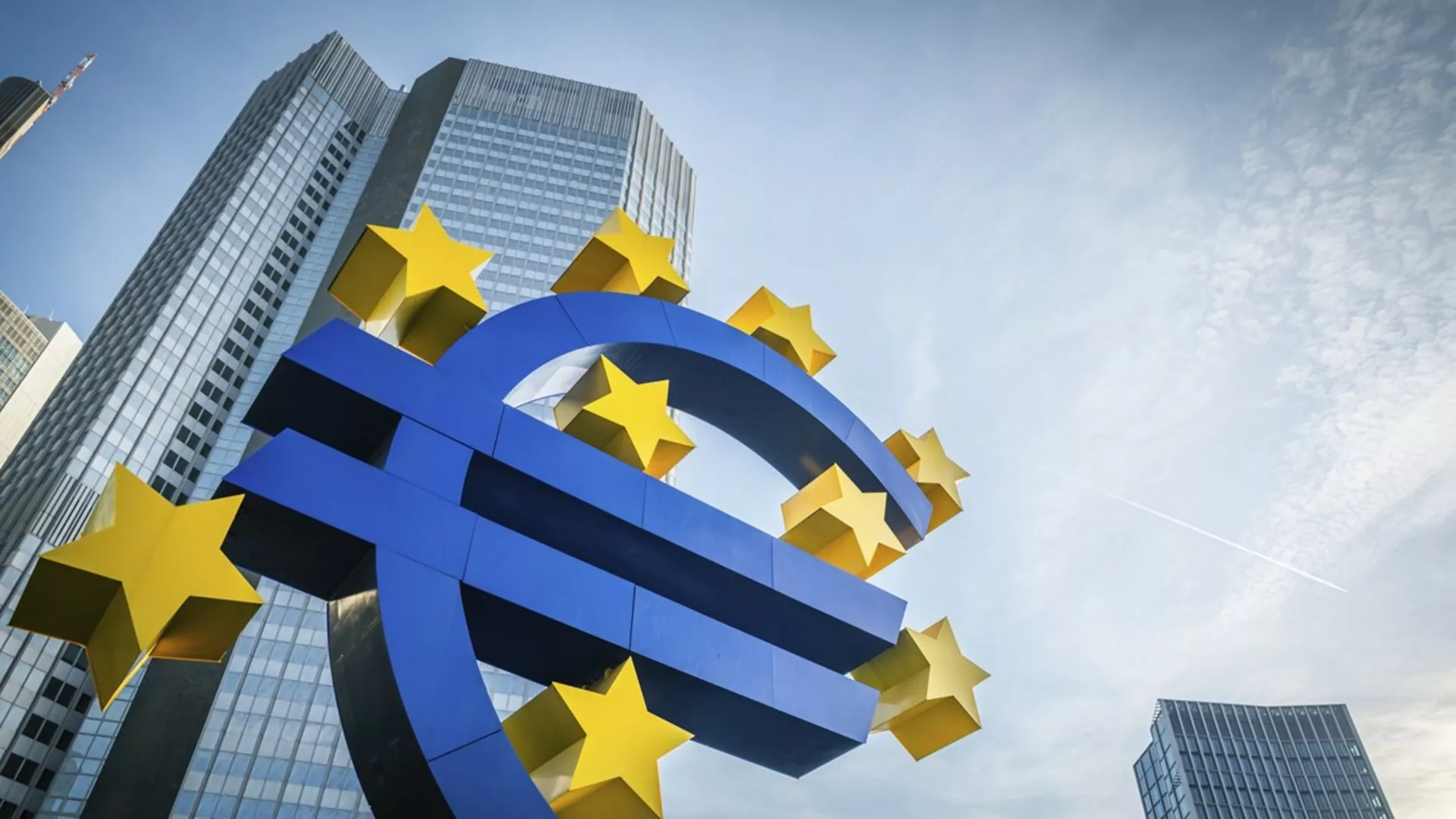
Weekly Update - ECB: the duration of the conflict will be decisive for what follows
The European Central Bank (ECB) opened the series of June meetings by announcing an increase of 25 basis points of its key rate, to 2.25%. The duration of the blockage of the Strait of Hormuz will remain key to determine the trajectory of the main central banks. Faced with the observed energy shock, the ECB seems to consider that its capacity to “look through” the shock has now closed.
The ECB is the first G7 central bank to raise its rates since the outbreak of the conflict in the Middle East.
This decision, unanimous and largely anticipated, marks the end of a status quo of nearly one year. It is part of a context of a tangible rise in inflation: this has reached 3.2% in May, to be compared with less than 2% in February. Above all, the current dynamic is driven by the rise in energy prices, directly linked to disruptions in infrastructure and tensions around the Strait of Hormuz. But beyond the initial shock, the ECB now observes spillover effects: core inflation shows signs of re-acceleration (2.5% in May), while companies anticipate broader price increases. In other words, the risk of second-round effects can no longer be ruled out.
More inflation and a little less growth.
The ECB has consequently adjusted its macroeconomic scenario, signaling a more constrained environment. It now expects an average inflation of 3% in 2026 before a progressive decline towards 2.3% by 2027, while slightly revising downward its growth prospects, to 0.8% then 1.2%. This combination clearly reflects the nature of the ongoing shock: an imported inflationary impulse, but which simultaneously weighs on activity. It is precisely this dilemma that makes the monetary policy decision particularly delicate. Where some argue for “looking through” the energy shock in order to preserve already fragile growth, the ECB favors a prudent approach aimed at avoiding any de-anchoring of inflation expectations, in an environment where since 2021 inflation has been above the 2% target.
Markets that price in another increase as early as July.
Market expectations incorporate further tightening, with two increases by the end of the year, including one as early as the July meeting. Beyond the immediate timeline, everything will depend on the duration and intensity of the energy shock. If tensions were to persist, feeding more diffuse inflation, the ECB could be forced to go further, even at the cost of accentuating the economic slowdown. Conversely, a rapid normalization of energy prices would restore room for maneuver. Ultimately, more than the level reached today, it is indeed the persistence of the shock and its diffusion that will guide the continuation of the monetary cycle.

By Clémentine Gallès Chief Economist and Strategist Societe Generale Private Banking and Juan Carlos Mendoza Diaz...
By Clémentine Gallès Chief Economist and Strategist Societe Generale Private Banking and Juan Carlos Mendoza Diaz...
By Clémentine Gallès Chief Economist and Strategist Societe Generale Private Banking and Juan Carlos Mendoza Diaz...

By Clémentine Gallès Chief Economist and Strategist Societe Generale Private Banking and Juan Carlos Mendoza Diaz...