
Monthly House Views - De-escalation - April 2026
In accordance with the regulations in force, we inform the reader that this document is qualified as a promotional document.
De-escalation of tensions in the oil market
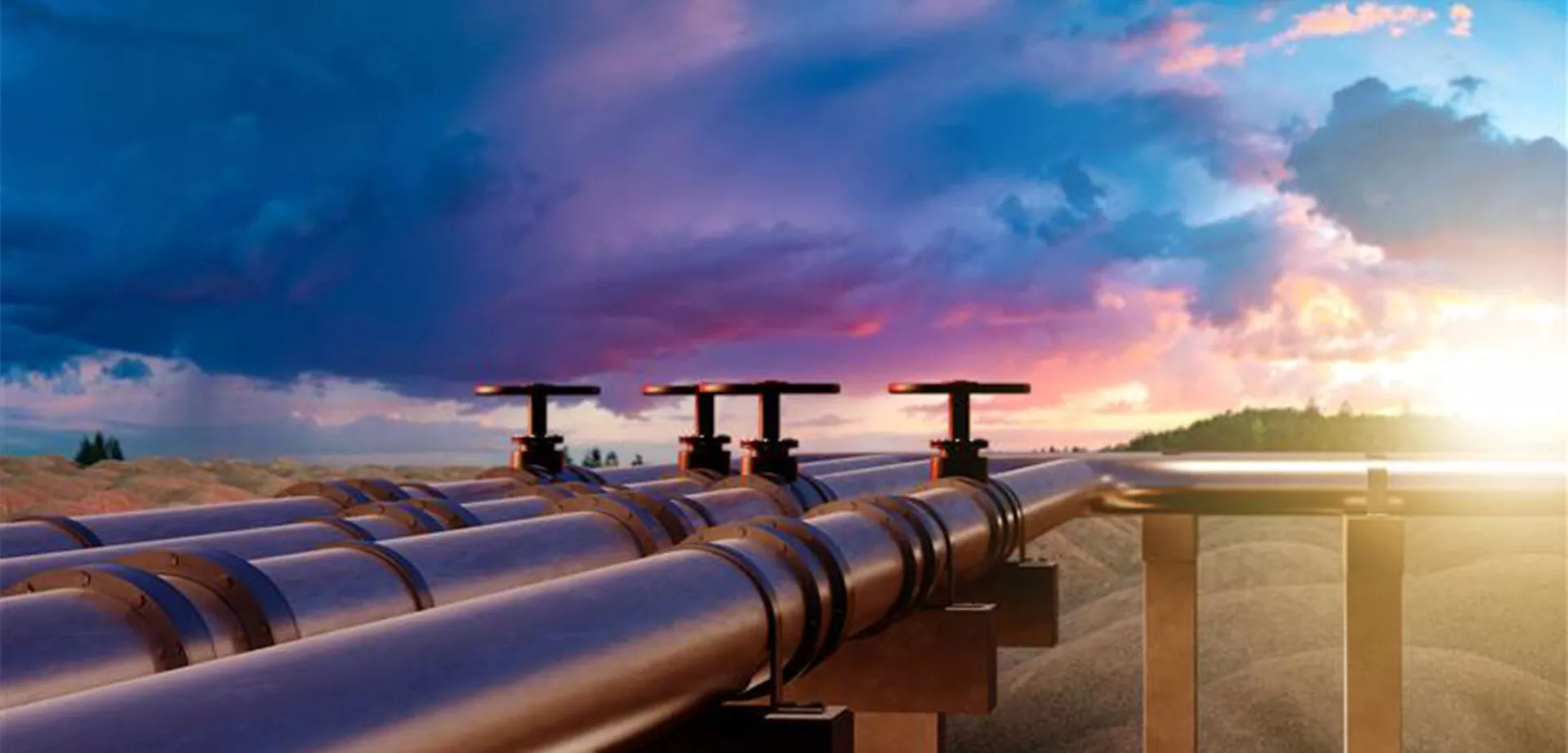
After several weeks of heightened tensions, extreme risks to energy supply appear to be easing. Oil flows have remained broadly preserved, and non-OPEC production capacity as well as the use of strategic reserves continue to play a shock absorber role. The geopolitical risk premium embedded in oil prices has partially unwound, allowing for a stabilization of prices after recent peaks. Without denying the persistence of geopolitical fragilities, this de-escalation reduces the probability of a scenario involving a lasting disruption of energy supply.
An inflation shock and uneven effects
The gradual de-escalation in energy markets does not call into question the reality of an inflation shock, whose effects nevertheless remain differentiated across economies. In the United States, the economy appears more resilient, supported by solid domestic demand and by its position as a net exporter of fossil fuels, which limits the impact of the energy shock. By contrast, Europe remains more exposed, with rising energy prices weighing more heavily on production costs and purchasing power. Second-round effects remain, at this stage, relatively contained, but short-term inflation expectations have rebounded. In this context, central banks are encouraged to maintain a more cautious and firmer stance than before the conflict.
Strengthening U.S. equities
In this de-escalation and resilient growth scenario, we have strengthened our equity overweight by increasing our exposure to the U.S. market. After a phase of underperformance since the beginning of the year, U.S. equity markets offer a more attractive entry point. They benefit from robust domestic demand and strong exposure to the artificial intelligence theme.
New investment themes driven by current developments
Energy independence is emerging as a long-term strategic pillar, supported by massive investments in infrastructure and supply security. Industrial metals continue to benefit from the energy transition, electrification, and growing needs related to artificial intelligence. Finally, in an environment of structurally higher interest rates, carry strategies are becoming more attractive, offering an additional source of return and stabilization in portfolios exposed to risky assets

By Clémentine Gallès Chief Economist and Strategist Societe Generale Private Banking and Juan Carlos Mendoza Diaz...

By Clémentine Gallès Chief Economist and Strategist Societe Generale Private Banking and Juan Carlos Mendoza Diaz...

By Clémentine Gallès Chief Economist and Strategist Societe Generale Private Banking and Juan Carlos Mendoza Diaz...

By Clémentine Gallès Chief Economist and Strategist Societe Generale Private Banking and Juan Carlos Mendoza Diaz...

By Clémentine Gallès Chief Economist and Strategist Societe Generale Private Banking and Juan Carlos Mendoza Diaz...