
Weekly update - Energy markets remain disrupted
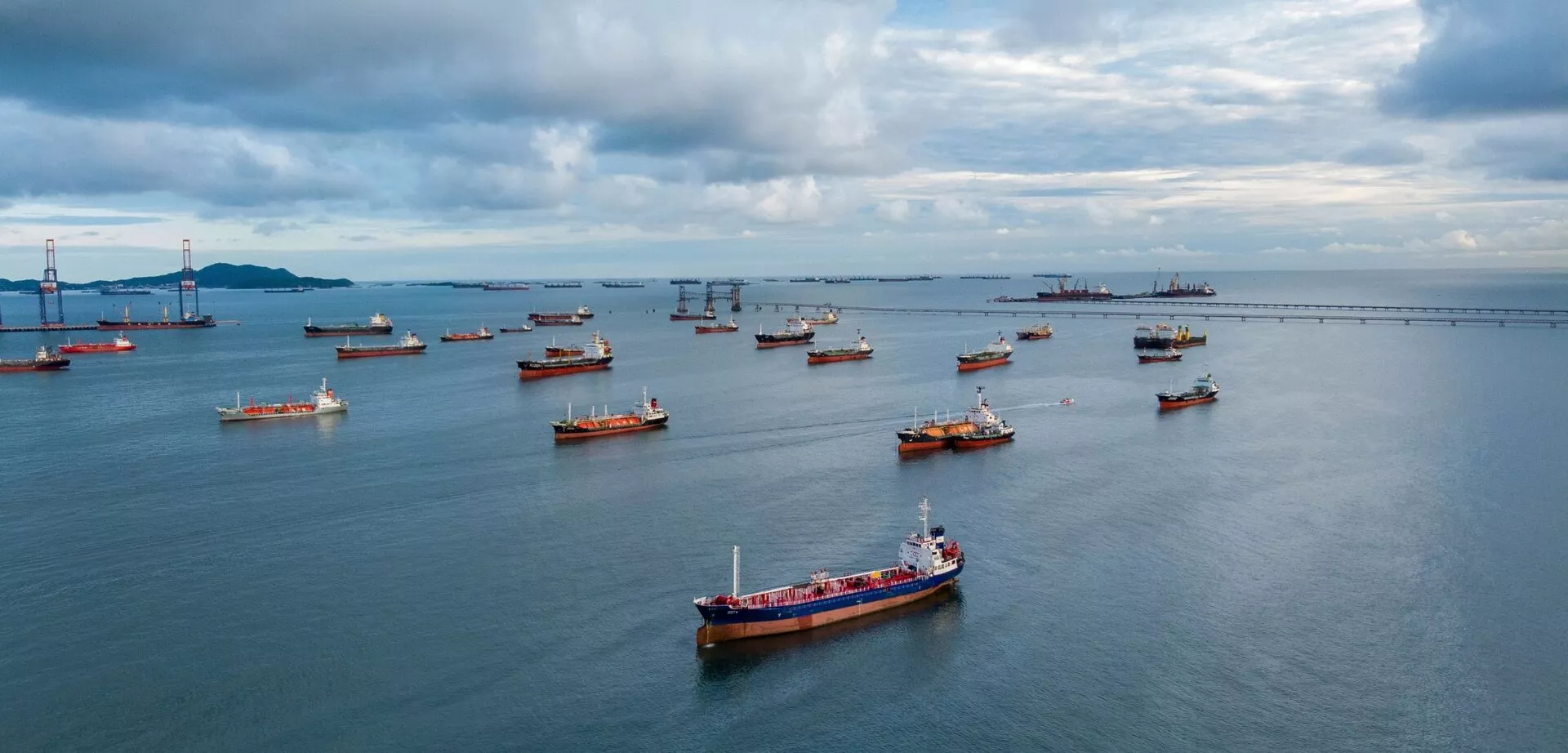
The escalation of the conflict in the Middle East—marked by the attack on Saudi Arabia’s main oil pipeline and the disruption of traffic through the Bab el-Mandeb Strait—is driving a renewed surge in energy prices, with Brent crude again trading above USD 100/bbl. These developments compound the ongoing disruptions around the Strait of Hormuz. Beyond crude oil, disruptions affecting both the Gulf region and Russia are also resulting in sharper increases in refined-product prices. With the risk of persistent supply-flow disruptions remaining high, inflationary pressures are likely to stay elevated, prompting central banks to maintain a restrictive policy stance.
Renewed energy tensions as a Red Sea “front” opens. Energy prices have risen sharply since late August: Brent is above USD 100/bbl (+40% since the start of Q3 2026), while European natural gas has reached EUR 77/MWh (+76% since the start of Q3 2026). The increase coincides with renewed tensions in the Middle East, particularly in the Red Sea. The seizure of the Bab el-Mandeb Strait by Yemen’s Houthi forces, together with the shutdown of Saudi Arabia’s main oil pipeline, represents a major source of disruption. These developments could materially reduce oil and refined-product flows through the Red Sea, the main alternative route to the Persian Gulf. Meanwhile, although traffic through the Persian Gulf is gradually normalising—supported in particular by increased transit via Oman—flows remain 40% below their pre-war average.
Refined-product prices are rising more sharply. Disruptions to energy flows from the Gulf, compounded by those affecting Russia, are driving substantially larger price increases for refined products. The spread between refined-product prices and Brent now exceeds USD 90/bbl, compared with an average of USD 20 before the war. This disproportionate increase relative to crude oil prices reflects, first, the weight of refined products in Gulf economies’ exports. In Saudi Arabia, for example, they account for close to 20% of energy exports. Second, Ukrainian attacks have reduced Russia’s refining capacity and sharply curtailed its exports, adding to already tight market conditions. Finally, refining capacity in other major economies has declined since the Covid crisis, further intensifying supply pressures.
Energy crisis heightens central-bank vigilance. Major central banks have begun a rate-hiking cycle, with the Fed raising its policy rate to 4% and the BoJ to 1.25%. Rising energy prices, alongside broader inflationary pressures, have also led central banks to lift their inflation forecasts for the coming years above target. Against this backdrop, monetary authorities are likely to extend the tightening cycle, sustaining upward pressure on sovereign yields.

By Clémentine Gallès Chief Economist and Strategist Societe Generale Private Banking and Juan Carlos Mendoza Diaz...

By Clémentine Gallès Chief Economist and Strategist Societe Generale Private Banking and Juan Carlos Mendoza Diaz...

By Clémentine Gallès Chief Economist and Strategist Societe Generale Private Banking and Juan Carlos Mendoza Diaz...

By Clémentine Gallès Chief Economist and Strategist Societe Generale Private Banking and Juan Carlos Mendoza Diaz...