
Bequest

A bequest (legacy) is a testamentary provision that allows an idvidual to transfer, upon their death, all or part of their estate to one or more beneficiaries, known as legatees.
When there are protected heirs, a bequest cannot infringe upon their reserved portion of the estate and may be reduced if it does. A bequest is an estate planning tool that enables the transfer of wealth in accordance with the testator’s wishes. It can generally be amended or revoked at any time before the testator’s death.
Key points
- A bequest must be made through a valid will.
- It takes effect only upon the testator's death.
- It may relate to a specific asset, a portion of the estate, or the entire estate.
- The beneficiary of a bequest is called a legatee.
- The testator may generally modify or revoke the bequest until death.
- If it infringes upon the reserved share of protected heirs, it may be reduced at their request.
Main types of bequest
- Universal bequest: grants one or more beneficiaries entitlement to the entirety of the estate left by the testator.
- General bequest (bequest under universal title): transfers a proportion of all movable and immovable assets, or a defined category of assets.
- Specific bequest: transfers one or more identified assets, such as real estate, a sum of money, or securities.
Purpose of a bequest
A bequest can be used to organise the transfer of wealth, benefit a loved one, pass on a specific asset, or support a charity or foundation. It complements other wealth transfer solutions, such as gifts during lifetime and life insurance, each of which is governed by its own legal and tax framework.
Bequests and forced heirship rules
Where protected heirs exist, the testator may freely dispose only of the available portion of the estate, namely the share not reserved by law. Children are protected heirs and, in the absence of descendants, a surviving non-divorced spouse may also benefit from statutory protection. A bequest that exceeds the available portion is not automatically void; it may be reduced at the request of the protected heirs.

No matter where you spent your summer holidays or when you took them, chances are you had the opportunity to enjoy the...
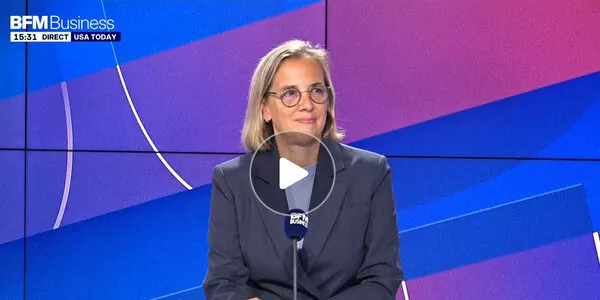
Clémentine Gallès on the program USA Today - BFM Business - 16/09/2026

After several years marked by rising interest rates and slower transaction activity, residential real estate is...
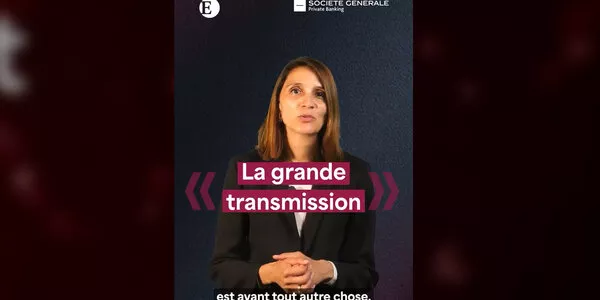
Samia Yakoubi sur Les Echos - La grande transmission

Preserving a company’s independence while giving its succession a philanthropic dimension: this is the ambition behind...