
Electrification: from abundant capital to execution challenge
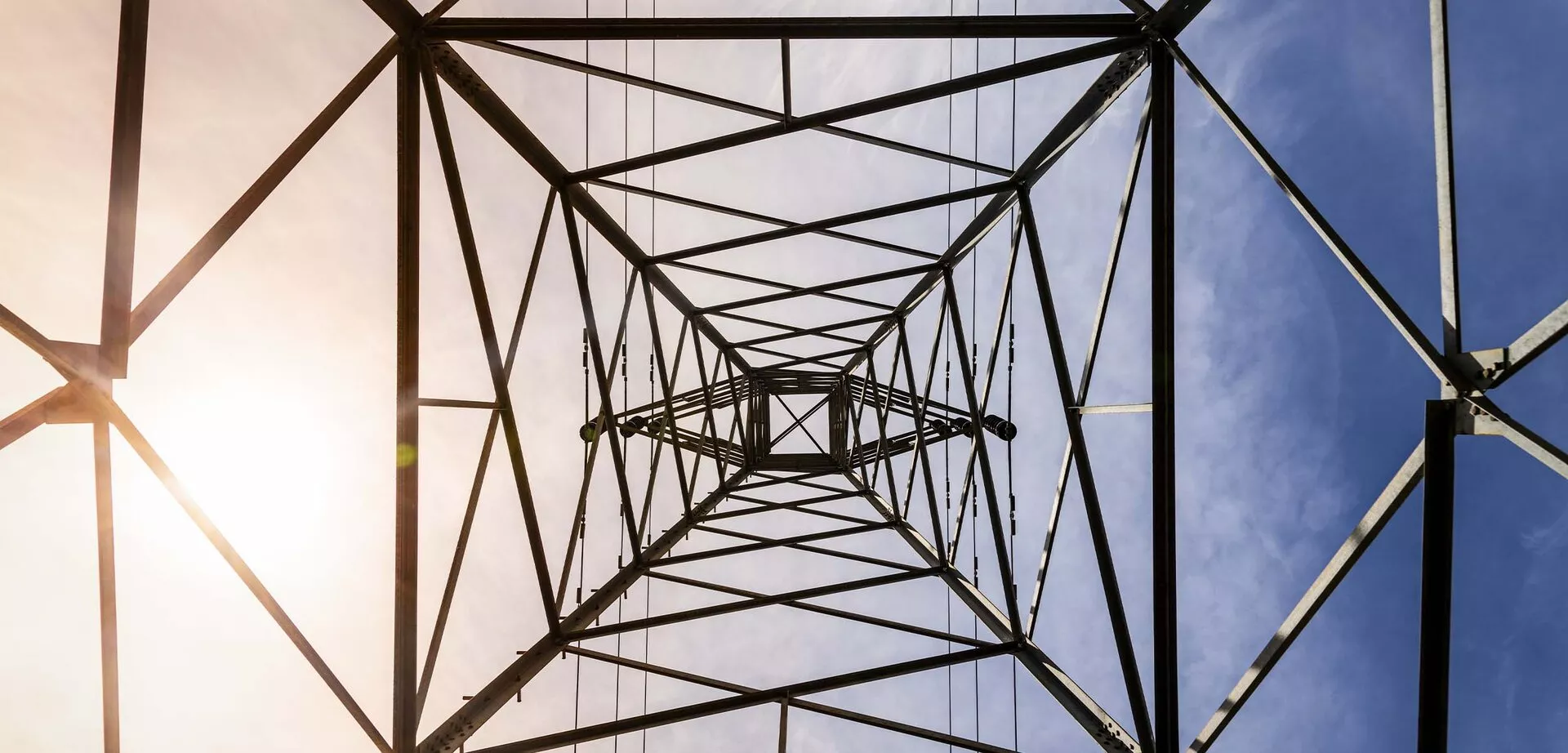
Electrification is fast emerging as a central pillar of global economic balances. Yet behind the scale of announced investments, a decisive shift is underway: the critical issue is no longer the mobilization of capital, but the ability to deploy it effectively. In a landscape shaped both by geopolitical tensions and the rapid acceleration of electrical uses, execution has become a true test of credibility for developed economies.
To unpack these dynamics, we bring together the perspectives of Bruno Jaouen, Head of Equity Management, and Diana Triana Cadena, Equity Portfolio Manager and Head of ESG Research(1) at Societe Generale Investment Solutions (France).
A momentum that goes beyond the energy transition
Diana Triana Cadena: Recent tensions around the Strait of Hormuz, through which nearly 20% of global oil and LNG flows transit, have once again highlighted the persistent fragility of energy balances. Against this backdrop, electrification is no longer confined to environmental considerations. It is becoming a matter of macroeconomic stability, sovereignty and industrial competitiveness.
Bruno Jaouen: Electrification is no longer an opportunistic investment theme but a structural force reshaping economic equilibria. This dynamic is all the more pronounced as global electricity demand is accelerating sharply. It is expected to grow by 3.6% per year between 2026 and 2030, outpacing global GDP growth(2). Such a pattern is rarely observed outside periods of crisis.
Driven by the imperatives of the energy transition, this trend is being significantly amplified by the rise of artificial intelligence and data centers. Close to 50% of the increase in electricity demand in the United States over the next five years is expected to be linked to AI-related investments(3).
Where do the main pressure points lie today?
Bruno Jaouen: While needs are clearly identified and financing continues to expand, the primary constraint has become physical infrastructure. The real bottleneck is now tangible. Power grids sit at the heart of the challenge. A significant share of these systems was designed for a centralized world with predictable flows. This is no longer the case.
Across Europe and the United States, large portions of transmission and distribution networks are aging. Some assets are several decades old, even as energy flows become increasingly intermittent and decentralized.
This structural mismatch is already translating into significant constraints. Globally, substantial volumes of projects remain stuck in grid connection queues.
Abundant capital, but execution under strain
Diana Triana Cadena: At first glance, financial resources have never been more abundant. Investments in the energy transition are reaching record levels, supported by ambitious public policies and growing private capital flows. Yet this abundance conceals a more challenging reality: the barriers are now operational.
The question is no longer how much to invest, but how to deliver. Constraints are manifold: shortages of skilled labor, administrative delays, regulatory complexity, public acceptance issues and pressure on raw materials. These frictions are already having tangible consequences. They include extended commissioning timelines, rising costs and increased uncertainty around delivery schedules.
An investor perspective built on selectivity
Bruno Jaouen: In this evolving landscape, electrification can no longer be approached as a homogeneous theme. We are moving from a thematic lens to a value chain perspective. Some segments offer strong visibility, while others remain highly exposed to execution or regulatory risks. Technological innovation is advancing at pace. What was considered best in class just three years ago may already be obsolete, requiring constant reassessment.
In this new environment, value creation no longer rests solely on the scale of investment or the relevance of technologies. It depends on a critical capability: turning ambition into operational infrastructure, sustainably and at scale.
Sources
- (1) Environmental, Social and Governance
- AIE, Electricity 2026 – Analysis and forecast to 2030
- AIE, Electricity 2026 – Analysis and forecast to 2030
The views expressed reflect the analysis of the speakers at the time of the interview and are subject to change. This document is provided for information purposes only and does not constitute investment advice, a recommendation or a guarantee of performance.

No matter where you spent your summer holidays or when you took them, chances are you had the opportunity to enjoy the...
Clémentine Gallès on the program USA Today - BFM Business - 16/09/2026

After several years marked by rising interest rates and slower transaction activity, residential real estate is...
Samia Yakoubi sur Les Echos - La grande transmission

Preserving a company’s independence while giving its succession a philanthropic dimension: this is the ambition behind...